If you’re a homeowner thinking about adding a backyard or pool, building a shed or a detached garage, clearing brush, or improving your property, you might assume you’re free to do whatever you want with your land. After all, you bought it. You maintain it. It’s your space.
But if part of your property includes a wetland, things work a little differently.
Wetlands are some of the most valuable natural systems on the planet. They protect homes from flooding, improve water quality, regulate air temperature, support wildlife, and even increase recreational and scenic value in a community. Because of this, wetlands are protected at the federal, state, and often local (city/county) level. That means homeowners must go through a permitting process before altering them – even if those wetlands sit entirely within your property boundaries.
Understanding what a wetland actually is is the first step to avoiding costly mistakes, fines, or project delays. So, let’s break it down in plain language.
(For simplicity’s sake, we will not dive into the specifics of wetland permitting or the ever changing wetland definitions at the federal level).
So, What Is a Wetland?
A wetland, in its most basic definition, is land that is wet for long enough during the year that it develops special plants, soils, and ecological conditions. Wetlands exist on a spectrum. Some are obviously wet (like marshes, swamps, or mangrove forests). Others aren’t so obvious and may look dry during parts of the year.
Scientists and regulatory agencies determine whether an area is a wetland by looking at three key factors:
- Hydrology – How water moves through or sits on the land
- Vegetation – What kinds of plants grow there
- Soils – How the soil has changed due to long-term wet conditions
If an area meets 2-3 factors, it is considered a wetland – even if it doesn’t look like a pond or marsh. Let’s break each of these into simple terms.
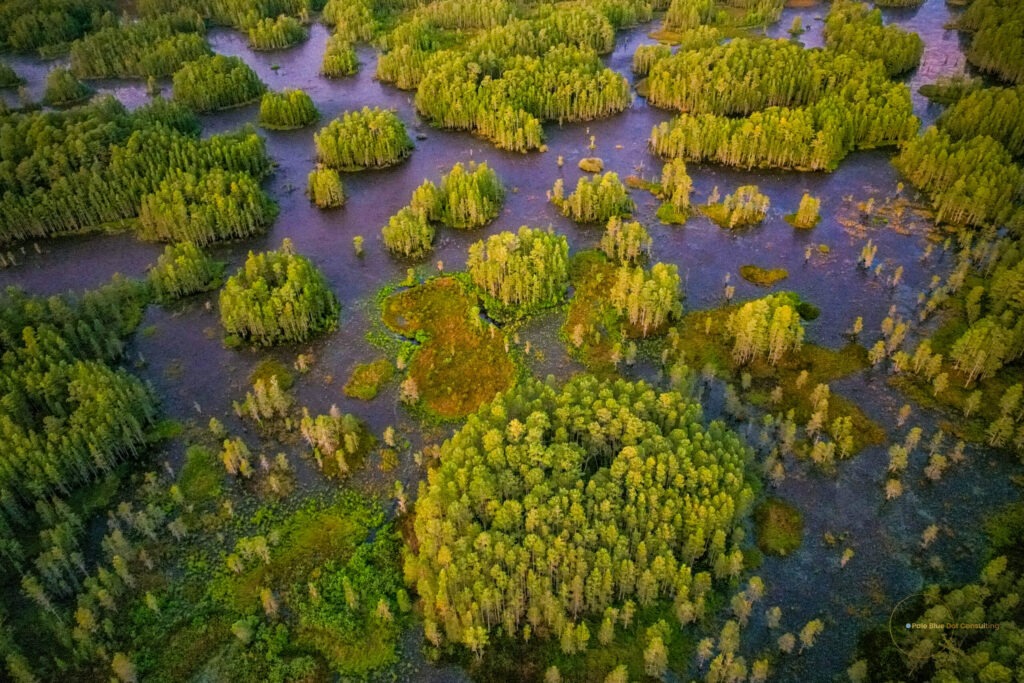
1. Hydrology: The “Wet” in Wetland
Hydrology is just a technical word for describing water. Hydro = water; hydrology = the study of water: where it comes from, how it moves through the landscape, how long it stays in certain places.
A wetland doesn’t have to be underwater year-round. Many aren’t. Some only hold water during the rainy season or after storms. Some are wet just below the ground surface, where the soil stays saturated even if the surface looks dry.
Things that can create or sustain wetland hydrology include:
- Flooding from nearby rivers or lakes
- Poor drainage (water doesn’t run off easily)
- Heavy rainfall and slow-drying soils
- Seepage areas where groundwater naturally rises to the surface
- High groundwater (the water table sits close to the surface) – very common in Florida (hence why most Florida houses don’t have a basement)
If water lingers long enough (weeks to months at a time during an average year) it changes the environment. That’s when wetland vegetation begins to thrive and soils start to look and behave differently.
Why hydrology matters
Wetlands store water like natural sponges. They absorb stormwater, slow down flooding, and release it slowly over time. If a homeowner fills or alters a wetland, that stormwater has to go somewhere else – sometimes into neighboring yards, roads, or even the home itself. This is why hydrology is heavily regulated, and one of the main reasons many neighborhoods or other development projects have ponds designed into the landscape – not necessarily for the appeal of “lake-front property”, but for capturing stormwater so the roads and buildings don’t flood.
2. Vegetation: Plants That Love Wet Feet
Plants can tell us a lot about an area, especially when it comes to wetlands. Certain species thrive only where the soil is wet for long periods. Others cannot tolerate wet soils and die if their roots stay waterlogged.
Regulators classify plants into different categories based on how often they are found in wetlands:
- Obligate wetland plants – They almost always grow in wetlands
- Facultative wetland plants – They grow in wetlands more often than not
- Facultative plants – They grow in both wetlands and uplands
- Upland plants – They almost never grow in wetlands
If we find a community dominated by the first two categories, it’s a strong indicator of a wetland.
Examples of common wetland plants
Depending on where you live, typical wetland vegetation may include:
- Cattails
- Pickerelweed
- Bulrush
- Spikerush
- Sawgrass
- Ferns
- Sedges and rushes
- Cypress
- Maples
- Willows
- Ash
- Mangroves
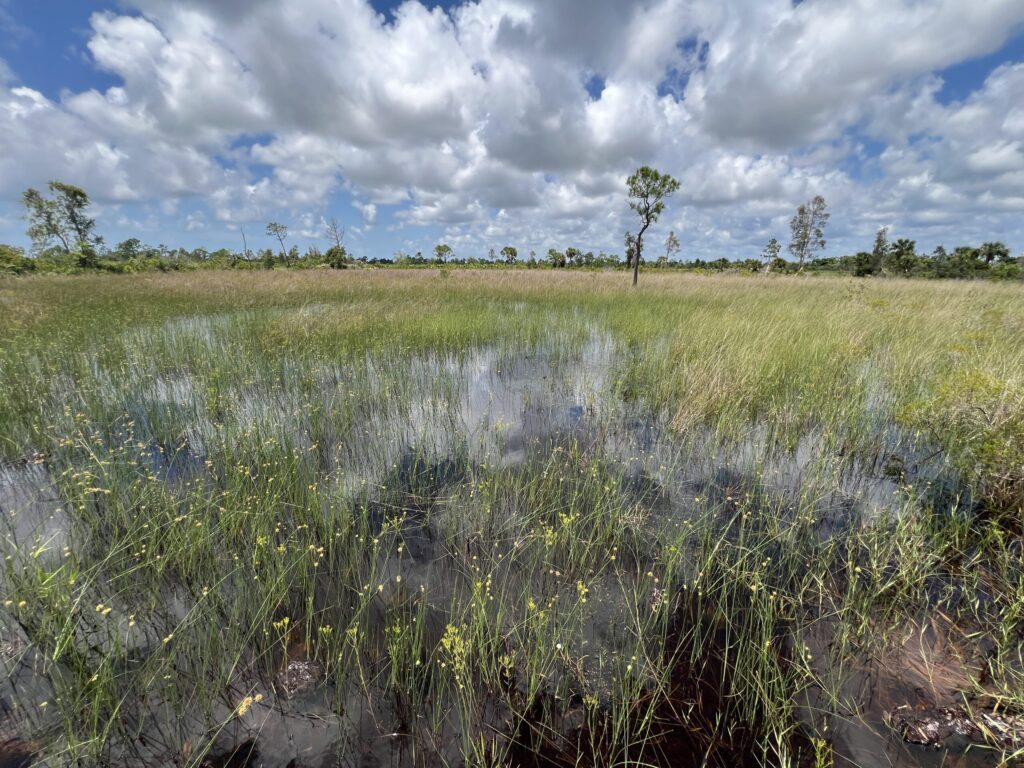
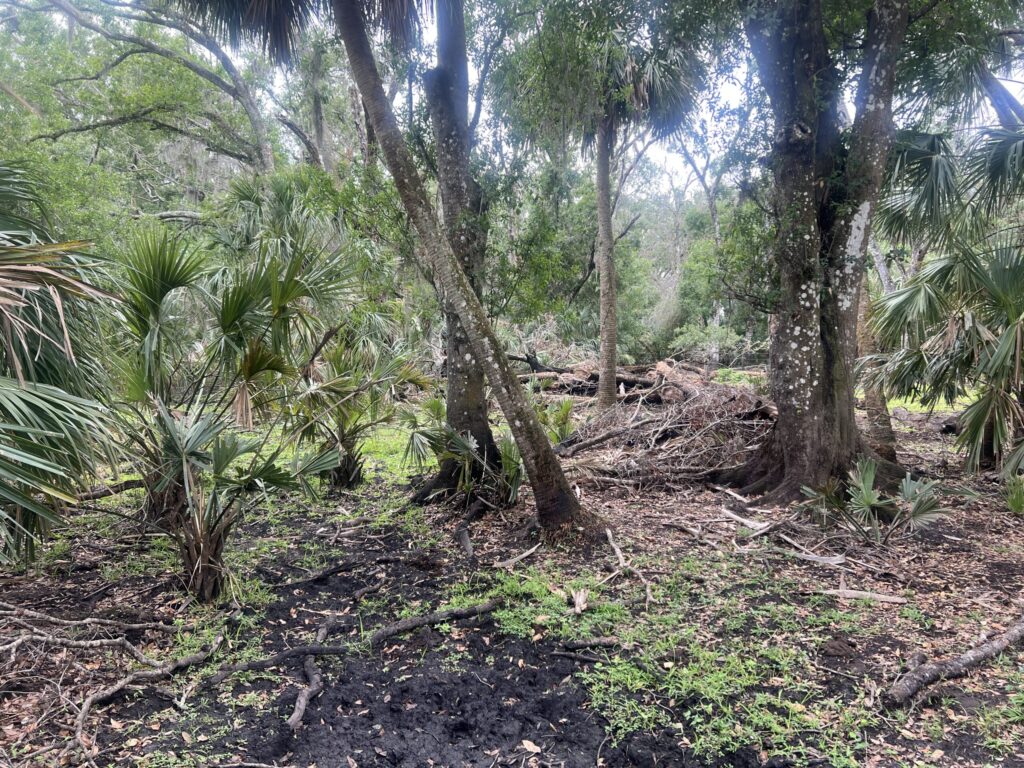
Some wetlands may look like dense forest; others may be grassy meadows or barely noticeable depressions. What matters is the type of plant life that can survive there.
Why vegetation matters
Vegetation is the easiest thing for homeowners to misinterpret. You may see trees or seemingly dry ground and assume the area is upland. But many wetland species grow in dry-looking conditions during part of the year. Some wetlands even burn during the dry season and re-flood several months later (in Florida this includes wet prairies, grassy marshes, and even the edges of cypress domes in Florida – tens of thousands of acres of the Everglades burned earlier this year (2025) after an abnormally dry summer).
Just because the area “doesn’t look wet” today doesn’t mean it isn’t regulated.
3. Soils: Nature’s Memory of Wet Conditions
Soils are the hidden clue that often confirms whether an area is a wetland. Even if water isn’t currently present, and even if wetland plants have been mowed or cleared, the soils preserve a long-term record of wetness.
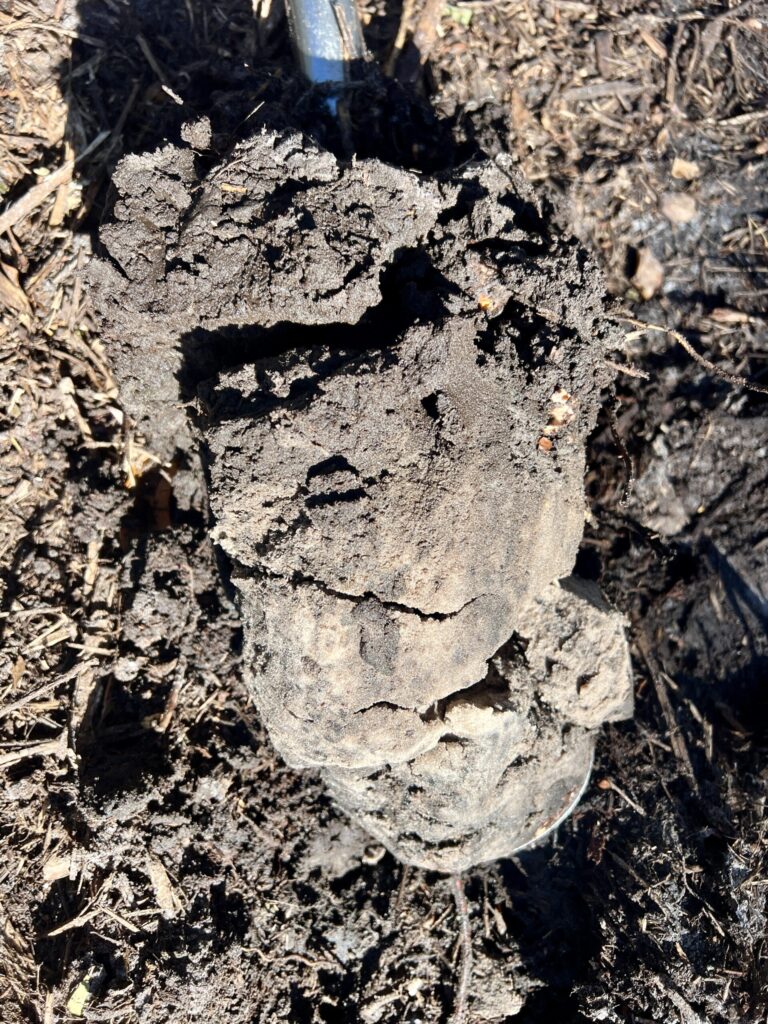
When soil is saturated for extended periods, the oxygen levels drop. This causes chemical changes that create distinctive soil colors, textures, and patterns. These soils are called hydric soils (hydric 🡪 root word “hydro” so hydric soils = “wet” soils).
What makes hydric soils unique?
You might see:
- Organic-rich layers that look dark and mucky
- Peat or muck accumulation
- Sulfur smell (like rotten eggs) indicating low-oxygen environments
- Gray, blue, or greenish tint (called gleying)
- Rusty orange or reddish spots called mottles
These characteristics tell a trained wetland scientist that the area experiences long-term wet conditions – even if you don’t see standing water today.
Why soils matter
Some homeowners try to clear vegetation or alter drainage before calling an ecologist. But soils reveal the truth. Regulators rely heavily on hydric soil indicators, especially when vegetation has been removed.
Why Do Wetlands Matter?
Wetlands provide enormous benefits to both nature and homeowners, including:
Flood protection
Wetlands store excess stormwater and reduce peak flooding. Removing or filling them can increase flood risk on your property and your neighbors’.
Water quality improvement
Wetlands naturally filter pollutants, sediments, fertilizers, and runoff before it reaches rivers, lakes, groundwater, or the ocean.
Wildlife habitat
Many species rely on wetlands for part or all of their life cycle – including wading birds (sandhill cranes, spoonbills, egrets, herons, etc.), amphibians, turtles, fish, and even mammals.
Erosion control
Wetland vegetation stabilizes soil, especially along shorelines and drainage paths.
Temperature Control
Wetlands (because of water’s cooling properties) can regulate temperatures of nearby properties.
Property value
Healthy wetlands can improve neighborhood aesthetics, reduce insurance claims, and enhance recreation opportunities.
Because these benefits are so important, wetlands are protected by agencies such as:
- U.S. Army Corps of Engineers (USACE)
- State environmental departments (e.g., FDEP)
- Water management districts
- Local environmental divisions (e.g. Environmental Protection Commission of Hillsborough County (EPC); Orange County Environmental Protection Division (EPD))

Why Your Property Still Has Restrictions – Even Though You Own It
One of the biggest misunderstandings homeowners face is the concept of regulated waters.
You might think:
- “It’s on my land, so I can clear it.”
- “It dries out every summer.”
- “I already pay taxes on it.”
- “I’m only adding a little dirt or sod.”
Unfortunately, the law doesn’t work that way.
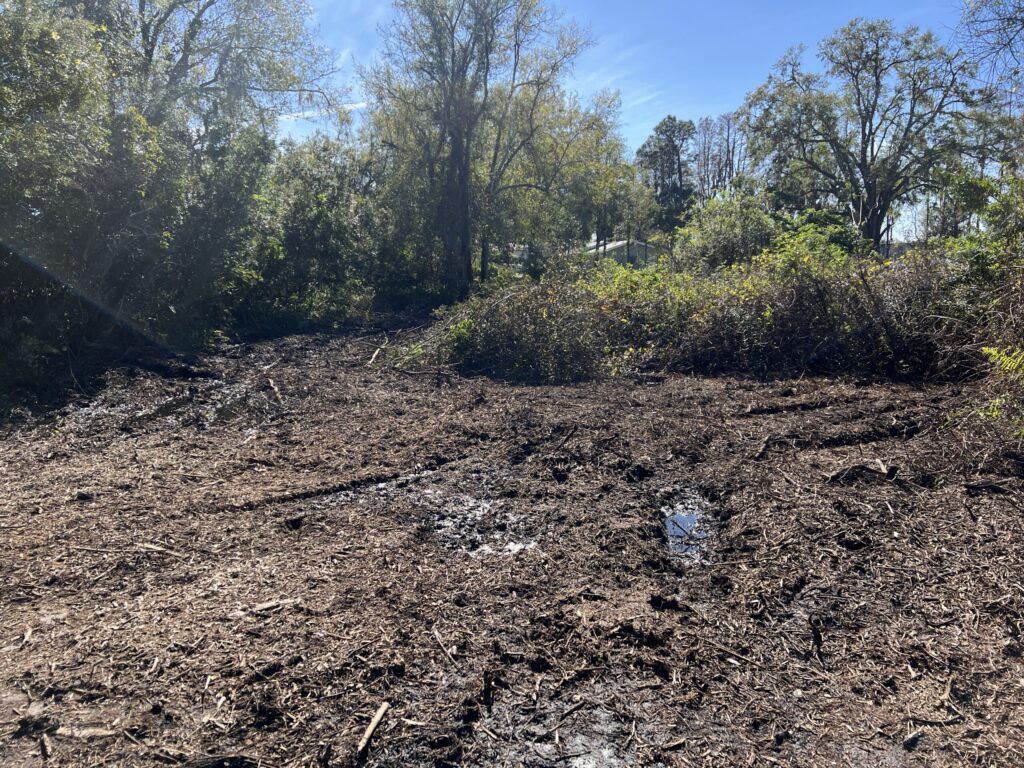
Even small impacts – like mowing, clearing, filling, constructing, or adding sod – can require permits. In many cases, homeowners discover this after they’ve already done the work, and by then, they may face restoration orders or fines.
Wetlands are regulated not because they belong to the government, but because they are connected to larger systems and have both direct and indirect impacts to water quality and quantity: rivers, floodplains, groundwater, and coastal waters that affect entire communities.
It’s similar to zoning laws or building codes. You own the property, but you can’t build a three-story tower in your suburban neighborhood without permits. Wetlands follow a similar principle.
What Happens If You Build or Clear Without a Permit?
Unpermitted impacts can lead to:
- Fines from local or state agencies
- Restoration requirements (replanting, regrading, recreating natural conditions)
- Project delays
- Additional engineering or environmental surveys
- Difficulty selling the property if violations remain unresolved
The good news is that many wetland issues are manageable if handled early.
How a Wetland Consultant Helps Homeowners
If you’re planning a project, it’s smart to start with a professional wetland delineation – no matter how small the project may be. That’s where an ecologist visits your property and evaluates the hydrology, vegetation, and soils to determine exactly where wetlands exist and what rules apply.
We can help you:
- Identify precise wetland boundaries
- Determine whether you can legally build or alter the area
- Navigate local, state, and federal permitting
- Design minimization strategies to reduce impacts
- Communicate with agencies on your behalf
- Avoid costly mistakes
Many homeowners discover they can still achieve their goals, but often with modified designs or through a streamlined permitting path.
So, Do You Have a Wetland on Your Property?
If you’re unsure, here are some signs that your land might contain protected wetlands:
- Certain areas stay damp for days after rain
- Water collects in depressions during the wet season
- Parts of your yard flood seasonally
- You see cypress, willows, cattails, or other wetland plants
- Your neighborhood is near lakes, rivers, ponds, or preserved land
- The ground feels spongy or mucky
- Landscapers or contractors have warned you about soggy or wet soil
- Soil looks dark, peaty, or grayish when dug
These clues are not definitive, but they’re good indicators that a professional evaluation is worth considering.
Final Thoughts
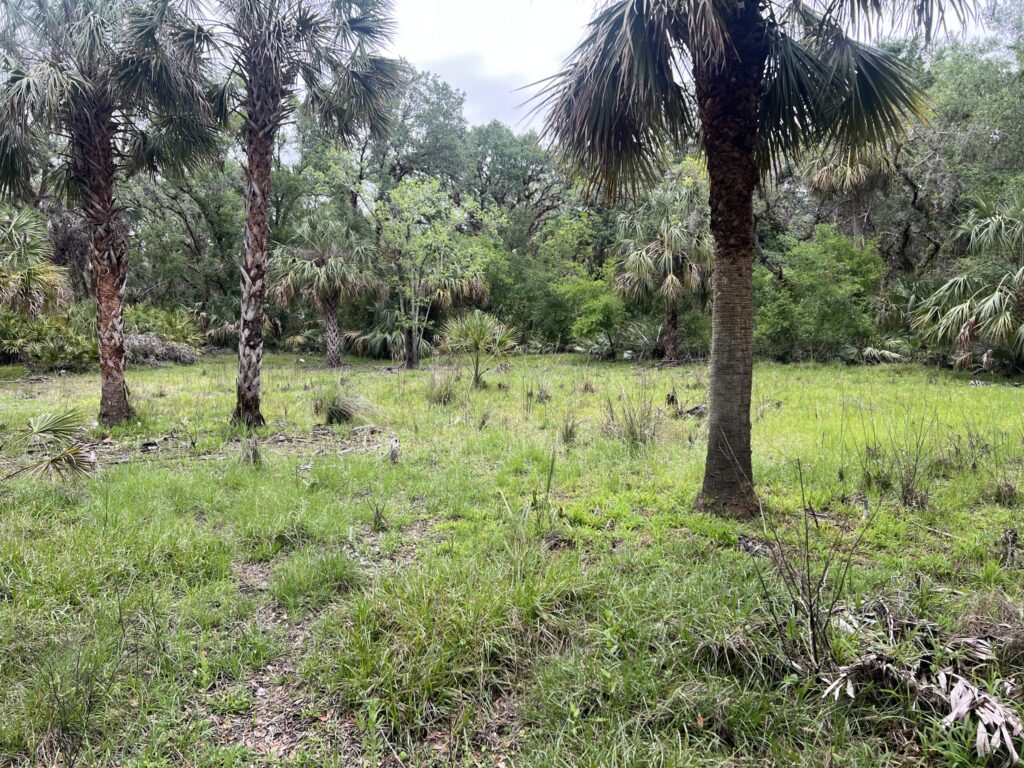
Wetlands may not always look like the stereotypical swamp or marsh. They can be subtle, seasonal, or even hidden beneath a layer of vegetation that looks “dry” most of the year. But they provide enormous value by protecting your home, your community, your water quality, and the environment.
Most importantly, wetlands are regulated whether they are publicly owned or privately owned. Before you build, clear, fill, or reshape your land, it’s essential to understand whether wetlands are present.
A simple evaluation today can save you thousands of dollars, months of delay, and major headaches tomorrow.
If you’re unsure whether your property contains wetlands, or if you’re planning a project that might affect them, reach out to an ecological consultant. We’re here to help you make informed, compliant, and sustainable decisions for your home.